
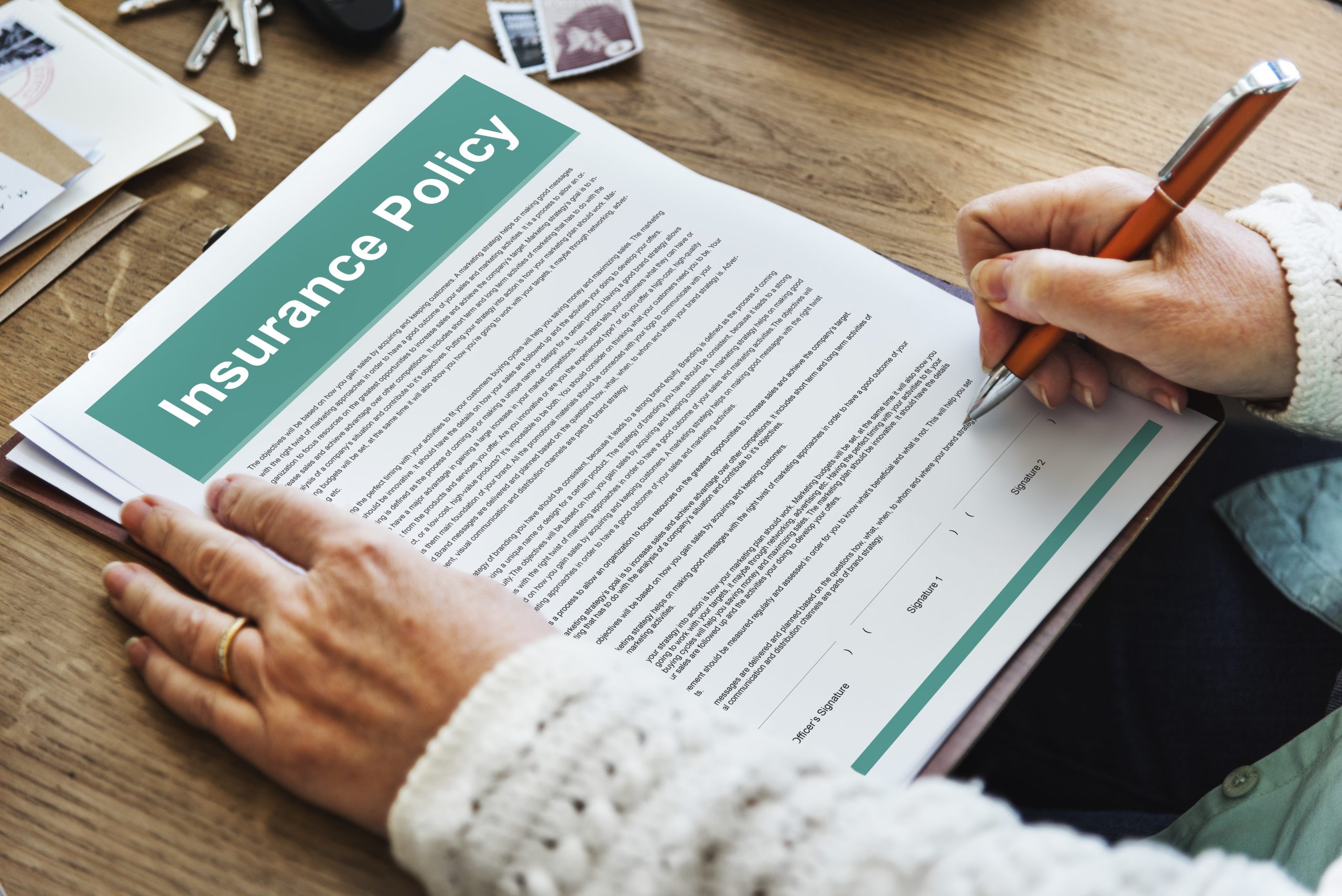
When buying a home in New Jersey, it’s easy to get lost in the excitement of finding the perfect house. But amidst the thrill, one part of the transaction that’s critical yet tends to evoke blank stares from Buyers is title insurance. It’s the sort of thing everyone needs but no one actually understands (well, except for your attorney).
Whether you’re a first-time homebuyer or an experienced property investor, assessing the title history of the property you’re buying and securing a title insurance policy is crucial to safeguarding your investment.
In this article, we’ll explore why title insurance is essential in New Jersey real estate closings, how it protects you and from what risks.
What is Title Insurance?
Before delving into the specifics of why title insurance is vital, let’s first define what it is. Title insurance is a type of indemnity insurance that protects homebuyers and lenders from financial loss arising from defects in the title of a property. These defects could include claims, liens, encumbrances, or disputes over ownership rights, any of which could jeopardize your legal claim to the property.
Unlike other forms of insurance that provide protection against future events (like homeowners insurance or car insurance), title insurance protects against risks and issues that may have occurred in the past. These could range from simple clerical errors in public records to more complex situations such as fraud, forgery, undisclosed heirs, or unpaid taxes associated with the property.
The Two Types of Title Insurance
When buying real estate in New Jersey, there are two types of title insurance policies that you need to be aware of: the owner’s policy and the lender’s policy. Both serve different purposes but are equally important in a transaction.
Owner’s Policy:
This policy protects the homebuyer from any title defects or claims made against the property after the purchase is complete. It ensures that the buyer has full ownership rights and provides financial protection in case any legal challenges arise.
Lender’s Policy:
This policy protects the mortgage lender, ensuring that their interest in the property is secure. The lender’s policy guarantees that the mortgage holder has a valid lien on the property and is first in line to collect any funds if a claim on the property arises.
Now that we’ve defined the different policies, let’s dive deeper into why having title insurance is essential for real estate closings in New Jersey.
Why Title Insurance is Essential for Buyers
1. Protection against claims and defects in title
One of the primary reasons title insurance is crucial for any real estate closing is its ability to protect buyers from potential claims on the title. Title defects can include any issue that affects the buyer’s legal ownership of the property. Some common examples include:
- Unpaid property taxes
- Judgments or liens filed against previous owners
- Mistakes in public records or surveys
- Undisclosed heirs who may claim ownership
- Forgery or fraud involving previous transactions
Imagine purchasing your dream home, only to find out months or even years later that someone else has a legitimate legal claim to the property. Without title insurance, resolving these disputes can become a lengthy, expensive process that could result in losing your home or paying significant sums to resolve claims.
Title insurance offers peace of mind by conducting an exhaustive title search before closing and by covering the cost of defending against any future claims if they arise. In New Jersey, the seller typically delivers a clear title to the buyer, but title insurance ensures that you are protected from any unknown issues that could surface later.
2. The Lender’s Policy is mandatory
While the owner’s policy is optional but highly recommended for buyers, the lender’s policy is mandatory in virtually every real estate transaction involving a mortgage, and yes, you the buyer will pay the premium. Mortgage lenders in New Jersey require a lender’s title insurance policy as a condition of issuing a loan because it protects their interest in the property.
For the lender, this policy ensures that their mortgage has priority over any other claims or liens on the property. It acts as a safety net, allowing the lender to recoup their investment in the property if any disputes arise. Without this insurance, the lender would be exposed to significant risk, which is why lenders will not provide financing without a policy in place, which is underwritten by a licensed title insurance company.
3. One-time premium for lifetime protection
One of the greatest benefits of title insurance is that it involves a one-time premium paid at the time of closing, but the protection lasts for as long as you or your heirs have an interest in the property. This lifetime protection is unique compared to other types of insurance policies that require ongoing payments for continued coverage.
In New Jersey, the cost of title insurance is regulated, meaning the premiums are set by the state, and you don’t have to worry about shopping around for different rates. Once paid, your title insurance policy will provide comprehensive protection for your ownership rights without any additional cost or renewal.
4. Legal defense and financial coverage
If a title defect or claim does arise after closing, your title insurance policy will cover the cost of legal defense to protect your ownership rights. Without this coverage, you could face significant out-of-pocket expenses to hire an attorney and potentially settle disputes. Title insurance also covers financial losses if the claim against your property is upheld in court.
For example, if an undisclosed heir successfully claims ownership of part of your property, the title insurance company would either resolve the issue or provide compensation for any loss of property value.
Why You Need Both an Owner’s Policy and a Lender’s Policy
Some buyers may be tempted to skip purchasing an owner’s policy since the lender’s policy is already in place. However, it’s important to understand that the lender’s policy only protects the lender’s interest in the property — not yours. The lender’s policy only ensures that the mortgage is secure, leaving you vulnerable to any claims or title defects that could arise after the transaction.
To fully protect your investment, you need to purchase an owner’s policy in addition to the lender’s policy. While the lender’s policy safeguards the mortgage holder, the owner’s policy is the only way to ensure that your rights as the property owner are protected.
Takeaways
Purchasing a home is likely one of the largest investments you will ever make, and it’s critical to protect that investment from the outset. In New Jersey, where real estate transactions can be complex, title insurance provides essential protection for both homebuyers and lenders. By securing both an owner’s policy and a lender’s policy, you can safeguard your investment from unexpected claims or defects that could threaten your ownership rights.
When it comes to real estate closings, cutting corners on title insurance is a risk no homebuyer should take. With a one-time payment, you can enjoy peace of mind knowing that your title is protected for as long as you own the property. Make sure to consult with your real estate attorney or title insurance agent to fully understand the coverage and benefits of your policy before closing on your New Jersey home
